

Dublin LGBTQ+ Guide
- Dublin is one of Europe’s most welcoming cities for LGBTQ+ travellers, home to a thriving queer scene built around iconic venues like Pantibar and The George, world-class events including the Dublin Pride Parade and the GAZE Film Festival and a community that celebrates queerness every day of the year.
- This Dublin LGBTQ+ guide covers everything from the best bars and club nights to outdoor swimming groups, LGBT-themed walking tours, the Irish Queer Archive and practical tips on accommodation, safety and getting around.
- Ireland’s journey from criminalising homosexuality in the early 1990s to becoming the first country to legalise same-sex marriage by popular vote in 2015 gives Dublin a unique emotional depth as a queer destination — and the city wears that history with pride.
From iconic rainbow-flag pubs and jaw-dropping drag shows to the biggest Pride Parade in Ireland — your complete, up-to-date guide to Dublin’s vibrant, welcoming queer scene.
Why Dublin Is One of Europe’s Best LGBTQ+ Cities
Planning a trip to Dublin and identifying as LGBTQ+? You are in for a brilliant adventure. Dublin is one of Europe’s most genuinely welcoming cities for queer travellers — not just during Pride Month in June, but every single day of the year.
Ireland’s capital has come a long way since the days when homosexuality was illegal. Today, it proudly stands as the first country in the world to legalise same-sex marriage by popular vote (in 2015) and that spirit of progress runs through every pub, park and parade the city has to offer.
“Dublin doesn’t just tolerate queerness — it celebrates it, lives it and dances to it at 2 am on a Saturday.”
Whether you’re here for the electric nightlife, the colourful Pride Parade, the fascinating history of the Irish queer movement or simply a warm pint with welcoming locals, this guide covers everything you need to know.
Before You Go
Getting Around
Dublin is a compact city and most LGBTQ+ venues are within walking distance of one another in the city centre. The main queer hub sits around Capel Street, Dame Street and South William Street. Easy to navigate on foot, even after a cocktail or three.
Getting Home Safely
Use registered taxis or the Free Now or Uber apps late at night. Avoid unlicensed cabs. The DART and Luas run until around midnight on weekdays and later at weekends.
Staying Safe
Dublin is generally a very safe and welcoming city for LGBTQ+ travellers. Dubliners are famously friendly and you should feel comfortable being yourself in the vast majority of spaces across the city. That said, as with any city, it pays to be sensible and aware of your surroundings, particularly late at night.
Public displays of affection are very well accepted in Dublin city centre, especially in the LGBTQ+ areas. Same-sex couples holding hands is entirely normal and commonplace.
Sexual Health
GU clinics are available across Dublin for free sexual health testing. The Well Woman Centre and the Mater Hospital both offer services. PrEP is available on the HSE for those who need it.
Emergency Numbers
Emergency services: 999 or 112. BeLonG To Youth Services supports LGBTQ+ young people. The National LGBT Helpline (1890 929 539) offers confidential support.
The Weather
It’s Ireland — pack a light waterproof regardless of the season. June and July are the best months for outdoor events, but even then, expect some rain. It never dampens the spirit.
Local Customs
Dubliners are warm and chatty. Don’t be surprised if a stranger strikes up a conversation in a pub — it’s completely normal and not considered intrusive. Embrace it; that’s the real Dublin experience.
Dublin LGBTQ+ Friendly Accommodation
Dublin has a wide range of LGBTQ+ friendly accommodation, from budget hostels to boutique hotels. When booking hotels or B&Bs, look for properties that display the Fáilte Ireland “Welcome Standard” certification or a rainbow sticker on their listing. The area around Capel Street, Dame Street and South Great George’s Street puts you within walking distance of almost all the main Dublin LGBTQ+ venues.
For budget travellers looking for a sociable, city-centre base, these two hostels are particularly well-regarded:
Gardiner House Hostel — A trendy, centrally located hostel on Gardiner Street Upper known for its stylish rooms, cool common areas and welcoming atmosphere. Proudly gay-friendly and just a short walk from the main LGBTQ+ venues. Use code PRIDE15 for 15% off the Standard Rate.
Garden Lane Backpackers — An excellent city-centre hostel with a great social atmosphere and inclusive vibe. A firm favourite with LGBTQ+ travellers and the wider backpacker community. Ideal if you’re travelling solo and want to meet like-minded people. Use code PRIDE15 for 15% off the Standard Rate.
Pride, Parties & Events
Dublin Pride Festival 🌈
An entire month of events celebrating the LGBTQ+ community, culminating in the Pride Parade on the last Saturday of June. The festival has roots going back to the 1970s and is Ireland’s largest — and one of Europe’s oldest — Pride celebrations. Events take place across the city throughout June, so check the official website for the full programme each year.
The Dublin Pride Parade
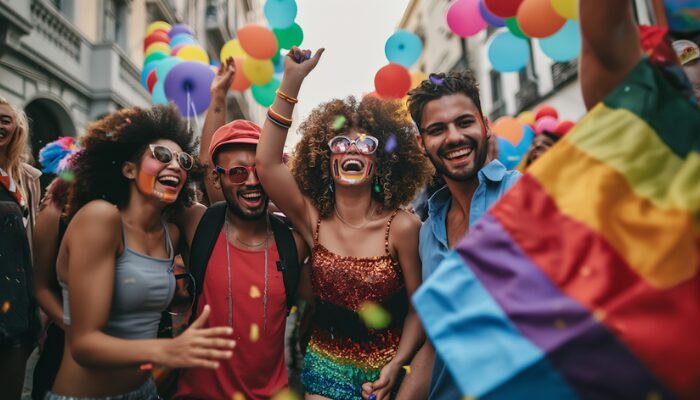
The Pride Parade is one of the most joyful events on the Irish calendar — a vibrant, colourful celebration of love, identity and community. Thousands of people line the streets of the city centre each year as floats, marching bands, community groups and individuals make their way through the heart of Dublin.
The parade route passes through O’Connell Street, the very centre of the city and no registration is needed to take part. Simply show up and join the celebration wherever you like along the route. The whole city is decorated in rainbow colours throughout the weekend and the atmosphere is genuinely electric.
Don’t miss the Mother Pride Block Party at the National Museum — tickets start at €45 and always sell out in advance.
Mother Club
Mother is widely regarded as Dublin’s most beloved LGBTQ+ club night. Famous for its Saturday night parties, it takes place at various venues across the city, with incredible DJs, a glitter-filled crowd and an atmosphere of pure, unapologetic joy. The Mother Pride Block Party, held every June, is one of the highlights of the Dublin Pride Festival. Buy tickets well in advance — Mother events sell out every single time.
GAZE International LGBT Film Festival
Held every August, GAZE is Ireland’s flagship LGBTQ+ film festival and one of the best in Europe. It screens an outstanding range of international and Irish queer films, documentaries and short films, alongside talks, Q&As with filmmakers and special screenings. A wonderful way to engage with global queer stories and support LGBTQ+ cinema. Festival passes start at €150.
International Dublin Gay Theatre Festival
Every May, the International Dublin Gay Theatre Festival celebrates the best of LGBTQ+ performing arts from around the world. The festival showcases plays, performance pieces and theatrical productions by both established and emerging queer artists and provides a genuine platform for LGBTQ+ voices in the arts. A culturally enriching experience that goes far beyond a night out.
The Bernard Shaw — Eire Comme Drag Brunch
Every Saturday, The Bernard Shaw hosts the unmissable Eire Comme Drag Brunch — a brilliantly chaotic combination of excellent food, fabulous drag performers and the kind of daytime partying that makes you feel like you’re getting away with something. It’s become one of the trendiest weekend events in the city and is very popular with both locals and tourists. Book ahead — it fills up weeks in advance, especially in summer.
The Best LGBTQ+ Bars & Clubs in Dublin
Dublin’s gay bar scene punches well above its weight for a city its size. Here’s a run-through of the venues you absolutely cannot miss — plus a few quieter gems worth knowing about.
Pantibar
Owned by Ireland’s most famous drag queen, Panti Bliss, Pantibar on Capel Street is a must-visit for any queer traveller. Expect a lively, inclusive atmosphere, brilliant drag performances and a crowd that is always up for a good time. Visiting her bar feels like supporting something genuinely important. Thursdays and weekends are packed — arrive early for a table.
The George
Ireland’s oldest gay bar and an absolute institution on South Great George’s Street. The George has been a cornerstone of Dublin’s queer community since 1985. Thursday nights are legendary — drag performances, DJ sets and a dancefloor that rarely empties before 3 am. The crowd is wonderfully diverse, spanning all ages and backgrounds. The Thursday night drag shows are a rite of passage for Dublin visitors.
Street 66
Tucked away on Parliament Street near the famous Temple Bar area, Street 66 is a cosy, relaxed bar with a wonderfully eclectic crowd. Known for its friendly staff, quirky décor and impressive cocktail selection, it’s a great spot for an early-evening drink or a late-night dance. Different DJs play each night and live music nights are a regular fixture. A relaxed vibe earlier in the week — perfect for a more chilled night out.
Pennylane Bar
Located in the heart of Rathmines (Dublin 6), Pennylane Bar is a warm and welcoming space for the LGBTQ+ community and its allies. A laid-back local with delicious cocktails, live music nights and themed events throughout the year. A brilliant option if you’re staying south of the Liffey and want to escape the tourist bustle of the city centre. A genuine neighbourhood local — fantastic for meeting Dublin residents.
The Grand Social
Perched along the banks of the River Liffey, The Grand Social hosts an ever-changing line-up of concerts, DJ nights and club events. It’s not exclusively an LGBTQ+ venue, but it’s a firm favourite with the queer community for its genuinely inclusive atmosphere and brilliant music programming. Check their listings page — there’s nearly always something brilliant on.
The Fumbally
Nestled in the Liberties area, The Fumbally is a wonderfully relaxed café famous for its hearty, wholesome brunch and lunch menus. It’s become a much-loved spot with Dublin’s creative and queer communities alike, offering a calm and welcoming environment. Perfect for a slow morning before a big evening out. The weekend brunch queue can be long — arrive before 11 am to beat it.
Temple Bar
Not exclusively LGBTQ+, but worth a visit. Temple Bar’s mix of pubs, live music venues, galleries and street performers makes it a must-see part of Dublin. It’s also where you’ll find Street 66 and the general atmosphere is inclusive and tourist-friendly. Just be aware it gets very busy on weekend nights and prices reflect that.
Dublin LGBTQ+ Outdoor Activities & Social Groups
Dublin isn’t just about pubs and parties — there’s a thriving outdoor and social scene too. These groups are a brilliant way to meet people, explore the city and its surroundings and feel part of the community.
Splash Out LGBT Swim Dublin
A wonderfully welcoming open-water swimming group that embraces all genders, sexualities and swimming abilities. They organise regular swims and social events in Dublin. Open-water swimming has become enormously popular in Ireland in recent years and doing it with this group is a genuinely joyful experience. Even in winter, the Irish embrace year-round sea swimming!
Out and About Hiking Group
An LGBTQ+ friendly hiking group that organises regular walks and excursions in and around Dublin. The Wicklow Mountains, the Dublin Mountains and the coastline are all easily reachable. This group is a fantastic way to see Ireland’s natural beauty while making new friends in a welcoming, inclusive environment. The Wicklow Mountains walks are spectacular — don’t miss them if the weather cooperates.
Finding More Social Events
Use Meetup.com to find LGBTQ+ social groups and events during your stay — there are often walking tours, pub quizzes, book clubs and more listed. Apps like GayCities and TripAdvisor are also useful for finding up-to-date information on which venues are hosting events on any given night.
Culture, History & Community
Understanding Dublin’s Queer History
Ireland’s queer history is one of struggle, resilience and extraordinary progress. Homosexuality was decriminalised in Ireland only in 1993, yet just 22 years later the country voted overwhelmingly to legalise same-sex marriage. Understanding this journey makes visiting Dublin a much richer experience.
The Irish Queer Archive at the National Library of Ireland holds a wealth of historical material. Outhouse Community Centre has an excellent library and knowledgeable staff. Many of Dublin’s LGBTQ+ walking tours also cover this history in a wonderfully accessible way.
LGBT-Themed Walking Tours
One of the best ways to understand Dublin’s queer history is to take an LGBT-themed walking tour. These tours take you through the city’s vibrant past, uncovering stories of resistance, community and celebration that you won’t find in a standard guidebook. They’re entertaining, informative and often quite moving — well worth a few hours of your time.
Outhouse LGBTQ+ Community Centre
Outhouse is Dublin’s main LGBTQ+ community centre and a brilliant resource for visitors and locals alike. It houses a café, a library, an events space and a knowledgeable team who can point you towards anything happening in the city during your stay. It’s also a wonderful place simply to sit, read and feel part of the community.
Irish Queer Archive
Located at the National Library of Ireland, the Irish Queer Archive is an extraordinary resource for anyone interested in the history of the LGBTQ+ movement in Ireland. It holds decades of documents, photographs, campaign materials and personal records — a fascinating window into how far Irish society has travelled in a remarkably short time.
The Boilerhouse Sauna
After a full day of exploring, treat yourself to some well-deserved relaxation at The Boilerhouse Sauna — Dublin’s most well-known gay sauna. Unwind in the saunas, refresh in the steam rooms and recharge in the cosy café. A welcoming, relaxed space and a well-established part of Dublin’s LGBTQ+ community.
Look for the Rainbow Sticker 🏳️🌈
Many Dublin businesses display a rainbow sticker or “Safe Space” sign to indicate they are actively LGBTQ+ friendly. Supporting these establishments — from coffee shops to pharmacies to restaurants — helps foster an inclusive environment across the whole city, not just in dedicated queer venues.
FAQs
- Is Dublin a safe city for LGBTQ+ travellers? Yes, Dublin is one of the safest and most welcoming cities in Europe for LGBTQ+ travellers. Same-sex couples holding hands is entirely unremarkable in the city centre and Dubliners are famously warm and open. As with any city, a little common sense goes a long way late at night.
- When is the Dublin Pride Parade? The Dublin Pride Parade takes place on the last Saturday of June each year, as the grand finale of the Dublin Pride Festival, which runs throughout the entire month of June with events across the city.
- What is the best gay bar in Dublin? That depends on what you’re after. The George, Ireland’s oldest gay bar, is the classic choice for a big night out with legendary drag shows. Pantibar, owned by Panti Bliss, is a must for atmosphere and culture. Street 66 is ideal for a more relaxed evening.
- Do I need to register to march in the Dublin Pride Parade? No registration is required. Simply show up on the day, find a spot along the route or join the march wherever feels right. The parade passes along O’Connell Street in the heart of the city.
- When does the GAZE LGBT Film Festival take place? GAZE takes place every August and is Ireland’s flagship LGBTQ+ film festival. It screens international and Irish features, documentaries and short films, alongside filmmaker Q&As and special events. Festival passes start at €150.
- What is Mother Club in Dublin? Mother is widely regarded as Dublin’s best-loved LGBTQ+ club night, famous for its Saturday night parties featuring top DJs and a gloriously energetic crowd. The Mother Pride Block Party each June is one of the highlights of the entire festival season. Tickets always sell out, so book early.
- Where is the main LGBTQ+ area in Dublin? The heart of Dublin’s queer scene is clustered around Capel Street, Dame Street and South William Street in the city centre. Pantibar, The George and Street 66 are all within easy walking distance of one another in this area.
- Are there outdoor and social activities for LGBTQ+ visitors in Dublin? Absolutely. Splash Out LGBT Swim Dublin organises regular open-water swims and social events, while Out and About is an LGBTQ+ friendly hiking group that explores the Wicklow Mountains, the Dublin Mountains and the coastline around Dublin. Meetup.com is a good place to find additional events during your stay.
- What LGBTQ+ cultural experiences are available in Dublin beyond the nightlife? Dublin has a rich queer cultural offer. The Irish Queer Archive at the National Library of Ireland, LGBT-themed walking tours, the International Dublin Gay Theatre Festival in May and the GAZE Film Festival in August all provide meaningful ways to engage with the city’s LGBTQ+ history and arts scene.
- Where should LGBTQ+ travellers stay in Dublin? Look for accommodation displaying the Fáilte Ireland “Welcome Standard” certification or a rainbow sticker. Staying around Capel Street, Dame Street or South Great George’s Street puts you within walking distance of the main queer venues. Gardiner House Hostel and Garden Lane Backpackers are both well-regarded budget options — use code PRIDE15 for 15% off.
Ready to Explore Dublin? 🌈
Whether you’re dancing at Pantibar, marching in the Pride Parade or hiking in the Wicklow Mountains with new friends — Dublin is waiting for you, exactly as you are.
Slán go fóill (goodbye for now). We hope to see you very soon! 🇮🇪